Pattern Book III — The Swatch Book
Fabrics & Textures.
Turn the pages of a tailor’s swatch book and you learn that cloth is a language of its own: fibre, yarn, weave, weight and finish. Each decides how a formal trouser hangs, breathes, creases and ages.
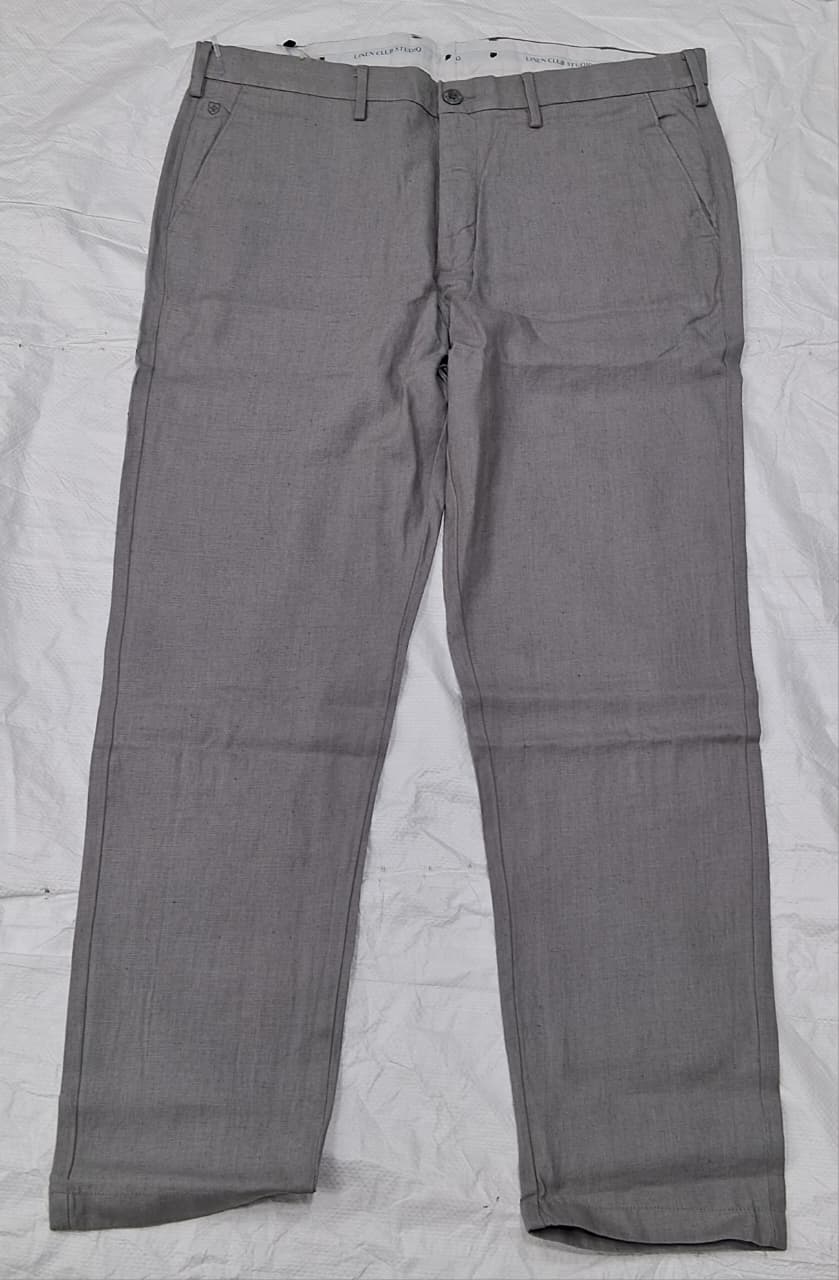
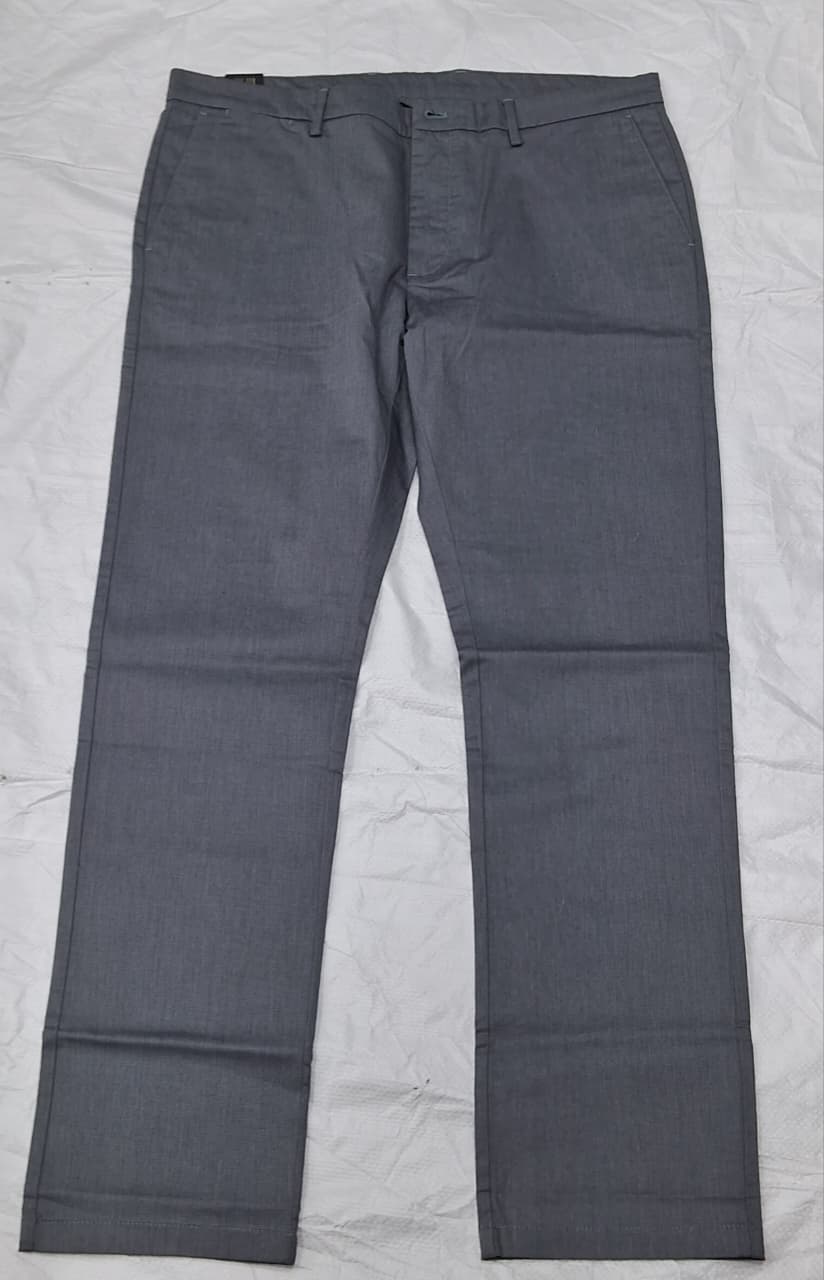
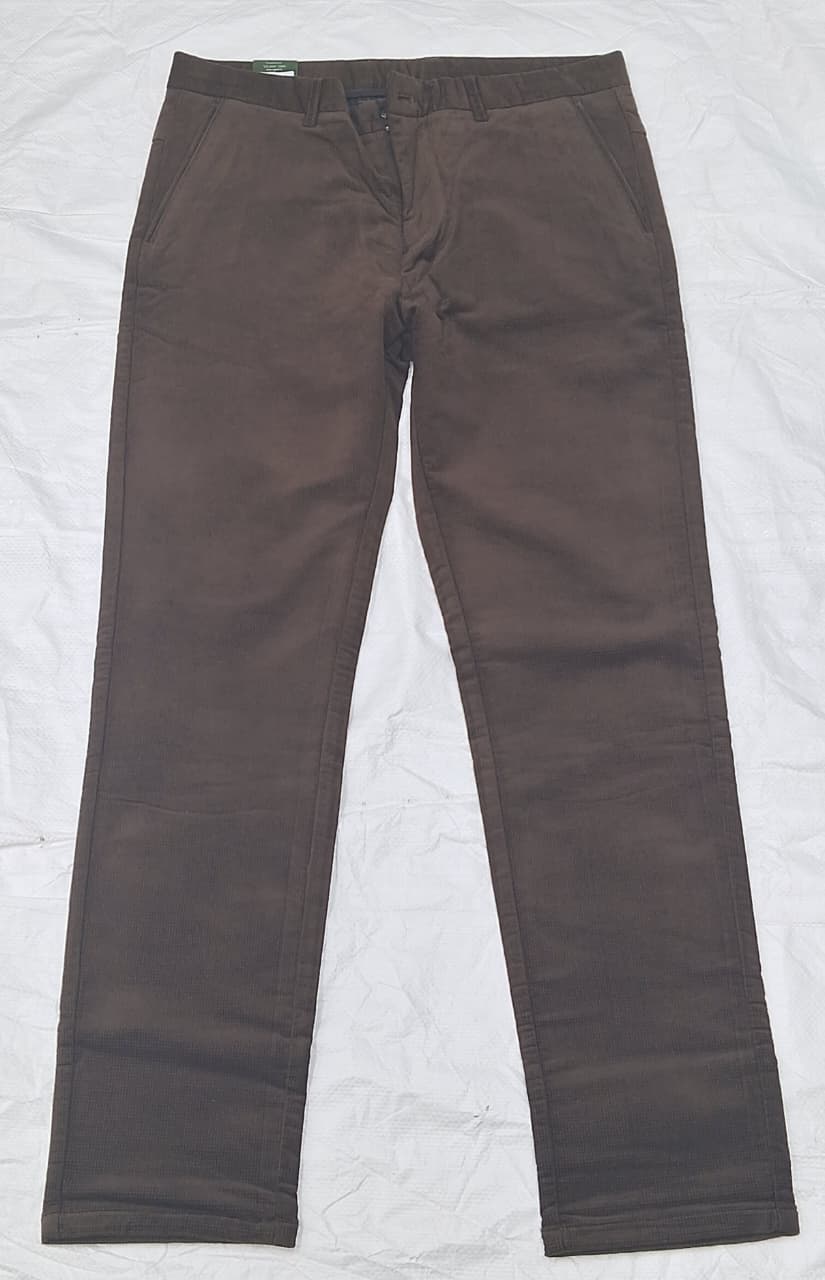
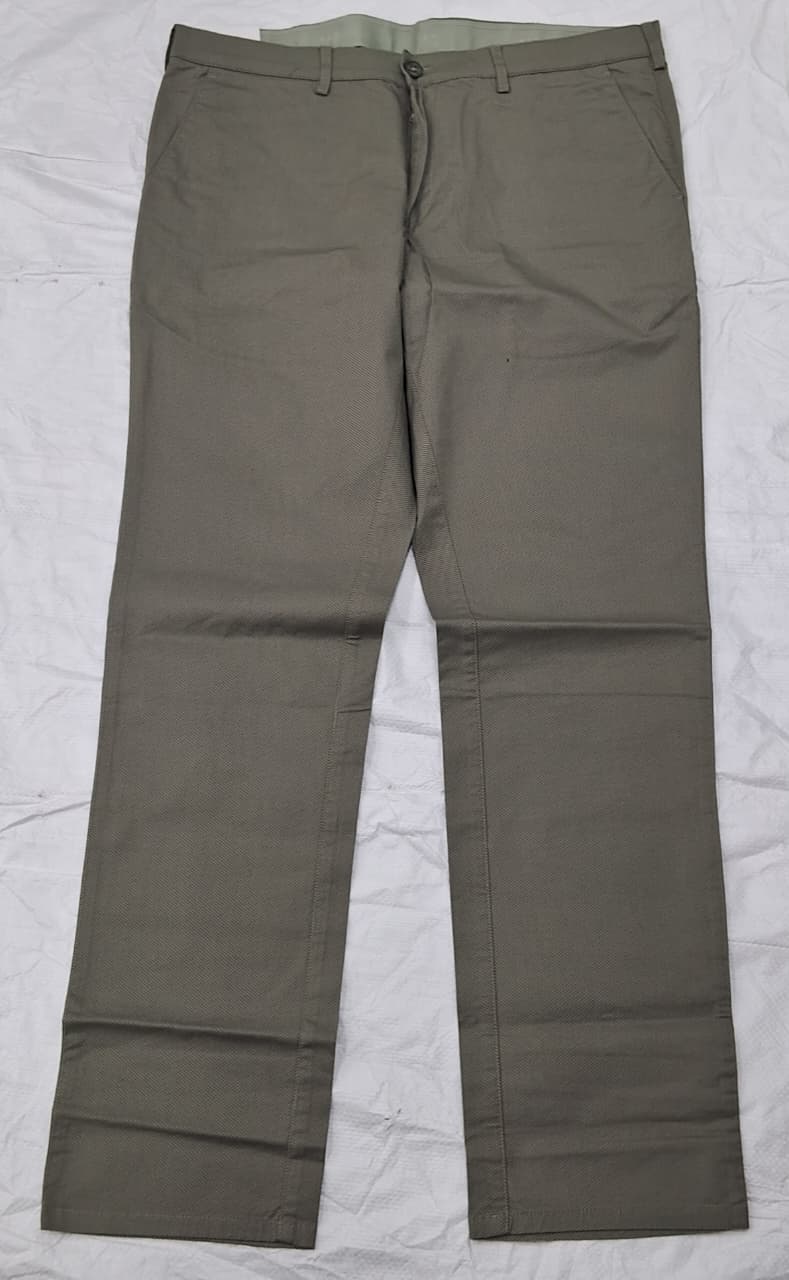
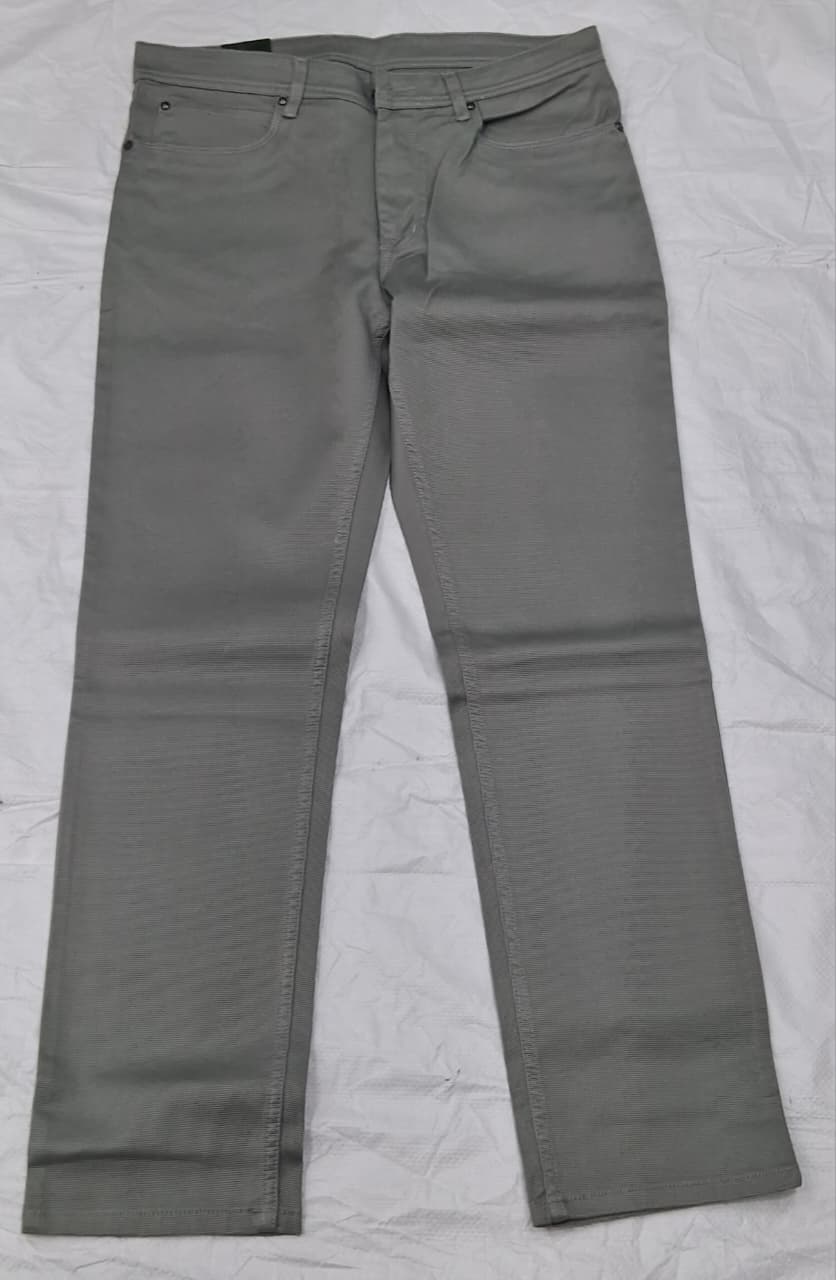
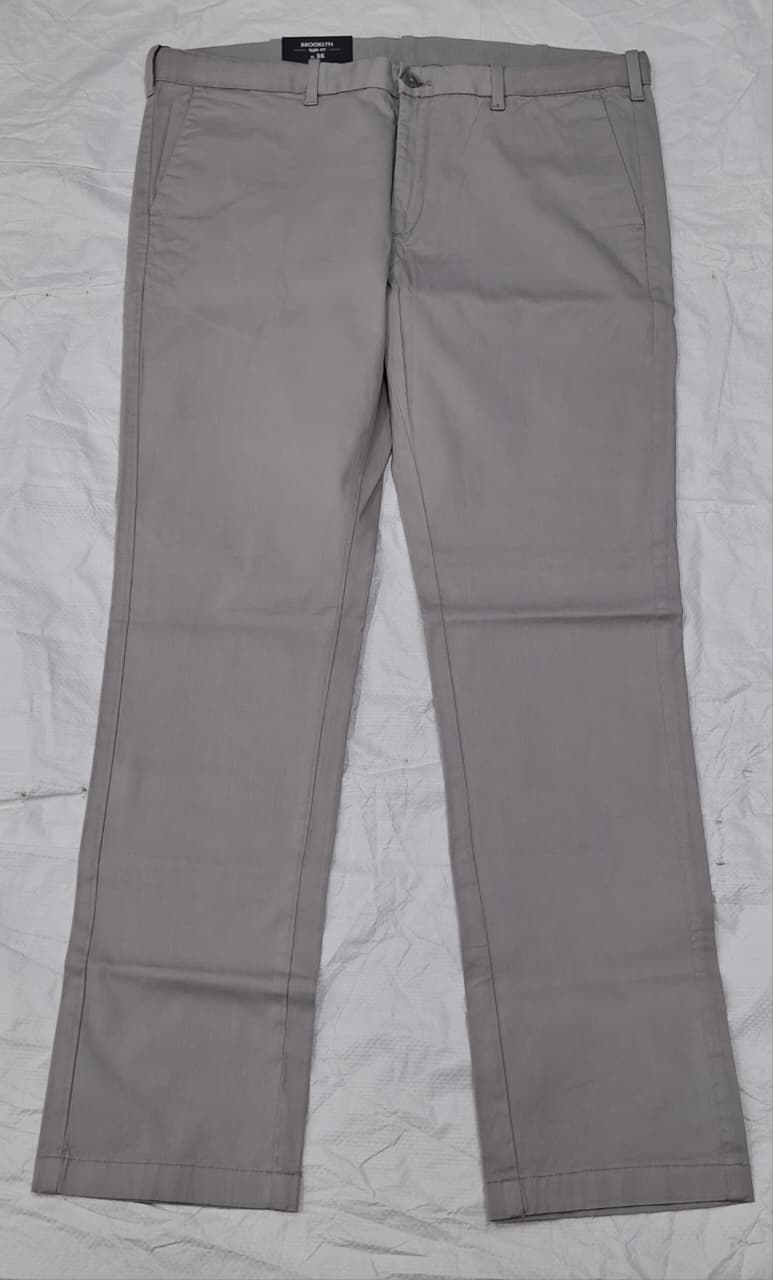
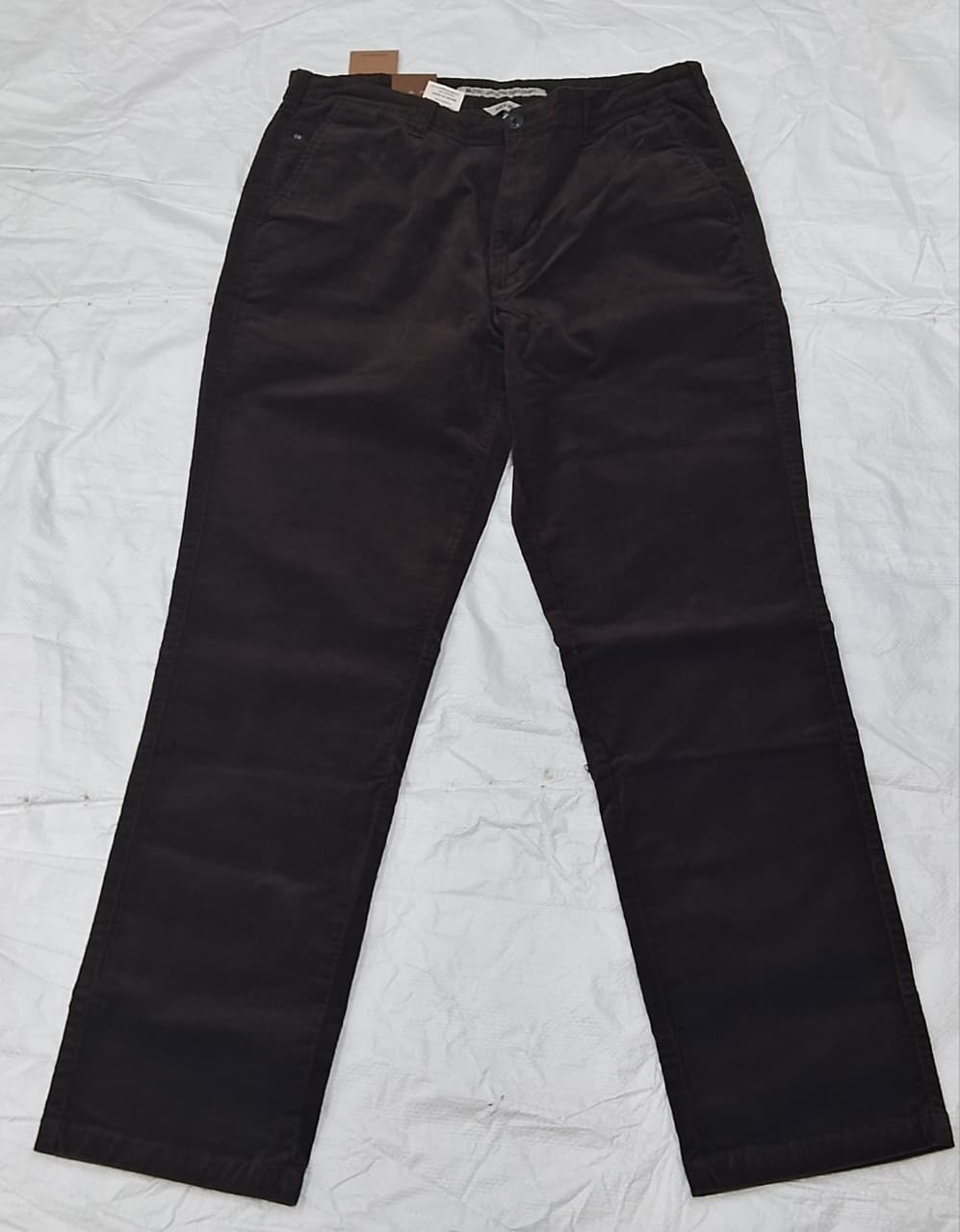
A note on the photographs. The trousers pictured here are used as visual studies of colour and surface texture. This page describes fabric types in general terms; it does not state the fibre content of any pictured garment. Always check the care label for the composition of a specific pair.
Swatch 01
Wool — the tailor’s first choice.
Wool has been the foundation of formal tailoring for centuries, and for good reason. Each fibre has a natural crimp that acts like a tiny spring, so wool cloth stretches slightly with movement and then recovers. That resilience is why a good wool trouser holds a crease and sheds minor wrinkles overnight.
For formal trousers, wool is usually spun into smooth worsted yarns and woven tightly. The result drapes cleanly from the waist and has a subtle, refined surface. Tropical and lightweight worsteds use finer, more open weaves that breathe well in heat — an important consideration in Mumbai’s climate.
- Structure
- Natural animal fibre; often worsted-spun for a smooth, dense cloth.
- Drape
- Fluid yet controlled; falls straight and recovers well.
- Traditional use
- Suits, business formal trousers, ceremonies.
- Consider
- Usually best dry-cleaned or pressed with care; choose lighter weights for warm weather.
Swatch 02
Wool blends — balance by design.
A wool blend combines wool with another fibre — commonly polyester, viscose, or a small proportion of elastane — to adjust the character of the cloth. The aim is balance: some of wool’s drape and breathability with added durability, crease resistance, stretch or affordability.
The proportion matters. Blends with a higher share of wool tend to look and feel closer to pure wool; those with more synthetic content are typically firmer, easier to care for and more resistant to wear. Neither is “better” — they serve different lives.
- Structure
- Wool blended with synthetic or cellulosic fibres, sometimes with a touch of stretch.
- Drape
- Smooth and stable; varies with the blend ratio.
- Best for
- Everyday office trousers, travel and frequent wear.
- Consider
- Read the composition label; it tells you how the cloth will behave.
Swatch 03
Cotton — easy professionalism.
Cotton is a plant fibre that produces soft, breathable cloth with a dry, natural handle and a matt appearance. In formal trousers it is woven more densely and finished more smoothly than in casual chinos, creating a garment that sits comfortably between formal and relaxed.
Cotton’s versatility makes it ideal for everyday professional styling and business-casual offices. Its main limitation is creasing: cotton wrinkles more readily than wool, especially at the knee and lap, so a good press keeps it looking intentional. Many cotton trousers include a small amount of elastane for comfort and shape retention.
- Texture
- Matt, soft and dry to the touch.
- Versatility
- Moves easily from office to weekend.
- Best for
- Business-casual, warm and humid days.
- Consider
- Creases more than wool; most cottons tolerate home washing — follow the label.
Swatch 04
Twill — the diagonal line.
Twill is not a fibre but a weave. Each weft yarn passes over two or more warp yarns and under one or more, with each row stepped along by one thread. The offset creates fine diagonal ribs across the surface — the pattern illustrated in the swatch diagram at the top of this page.
That structure packs yarns closely, making twill dense, durable and soft-handed, with a slight lustre where the light catches the ribs. It also hides minor creases and marks better than a flat plain weave. Gabardine, chino cloth and many suiting cloths are twills of different weights and fibres.
- Weave structure
- Stepped interlacing producing diagonal ribs.
- Visual texture
- Subtle diagonal lines and a gentle sheen.
- Best for
- Hard-wearing office trousers and smart-casual dressing.
- Consider
- Weight varies widely — choose lighter twills for summer.
Swatch 05
Polyester blends — practical by nature.
Polyester is a synthetic fibre valued for strength, colour stability and resistance to creasing and shrinking. In formal trousers it is most often blended with viscose (sometimes called poly-viscose), wool or cotton to soften its handle and improve drape.
Practical considerations are its main appeal: polyester blends are generally easy to wash, quick to dry and good at holding a crease through long days and travel. On the other hand, they are typically less breathable than natural fibres and can feel warmer in humid conditions. Quality varies; better blends look matt and refined, while lower-grade cloths may develop shine.
- Common traits
- Durable, crease-resistant, colourfast, easy-care.
- Trade-offs
- Less breathable; can look shiny if low quality.
- Best for
- Commuting, travel and low-maintenance wardrobes.
- Consider
- Use a cool iron and a pressing cloth to avoid shine.
Swatch 06
Lightweight fabrics — tailoring for the heat.
For much of the year, Mumbai and Thane are warm and humid. Lightweight formal fabrics — tropical wools, fine cottons, linen blends and open-weave blends — keep a trouser formal while letting air move freely around the leg.
Lightweight cloths drape softly, so fit becomes even more important: a precise waist and a clean leg prevent the trouser from looking limp. Paler shades such as light grey, stone and beige reflect heat and suit daytime events beautifully. For air-conditioned offices with hot commutes, a mid-weight cloth can be a sensible compromise.
- Climate
- Hot and humid seasons, outdoor daytime events.
- Wearing conditions
- Long commutes, crowded travel, warm offices.
- Look
- Refined, relaxed, quietly summery.
- Consider
- Linen-rich cloths crease readily — part of their charm.
Swatch 07 — Texture
Texture: a solid colour with depth.
Textured cloths — birdseye, sharkskin, nailhead, herringbone, slub and fine cord — appear solid from across a room but reveal pattern and depth up close. They are an elegant way to add interest without colour.
Use texture thoughtfully: a textured trouser pairs best with a smooth shirt and a plain jacket, so that one surface leads and the others support. Fine ribbed pile cloths like the one pictured are warmer and more casual in character, best kept for cooler days and relaxed smart occasions.
The Cloth Glossary
Seven properties every man should know.
When you hold a trouser in a shop, these are the qualities to feel for. They matter more than any label.
Fabric weight
Usually quoted in grams per square metre or ounces per yard. Lighter cloths suit heat; heavier cloths drape and hold shape better.
Breathability
How easily air and moisture pass through. Natural fibres and open weaves breathe best.
Drape
How cloth falls under its own weight. Good drape lets a trouser hang straight from the waist.
Wrinkle resistance
Wool and quality blends recover well; cotton and linen crease more readily.
Texture
The surface character — smooth, matt, ribbed, slubbed — which affects formality and visual depth.
Seasonal suitability
Light, open cloths for summer and monsoon humidity; denser cloths for cooler months and air-conditioned travel.
Fabric maintenance
Follow the care label. Hang trousers by the hem, rest them between wears, steam rather than over-iron, and press with a cloth to avoid shine.
From cloth to colour
The right cloth, in the right shade.
Once you understand fabric, colour becomes the final decision. Continue to the formal trouser colour guide.