
Pattern Book II — Technical File
The Art of Tailoring.
A formal trouser looks simple. It is anything but. Between a roll of cloth and a finished pair lie dozens of precise decisions — each one invisible when done well, and obvious when done badly.
This page explains how formal trousers are generally designed and constructed across the tailoring and clothing industry. It is an educational guide and does not describe the manufacturing of any specific garment; Options Mall does not claim to manufacture the trousers shown.
The Seam Line
Ten stages, one continuous line.
Follow the stitched line from the first pattern draft to the final press. Photographs show finished trousers, with a loupe on the detail each stage produces.
-
Pattern-making
Every trouser begins as a pattern: flat paper shapes for the front panels, back panels, waistband, pockets and facings. The patternmaker drafts these from a set of body measurements and proportions — waist, seat, rise, thigh, knee, hem and length — adding seam allowances and balance marks called notches.
The pattern encodes the silhouette. A slim fit and a classic fit may share a waist size, yet their patterns differ in every curve below it. Mass-produced trousers are graded across sizes from a base pattern; bespoke trousers are drafted for one body alone.
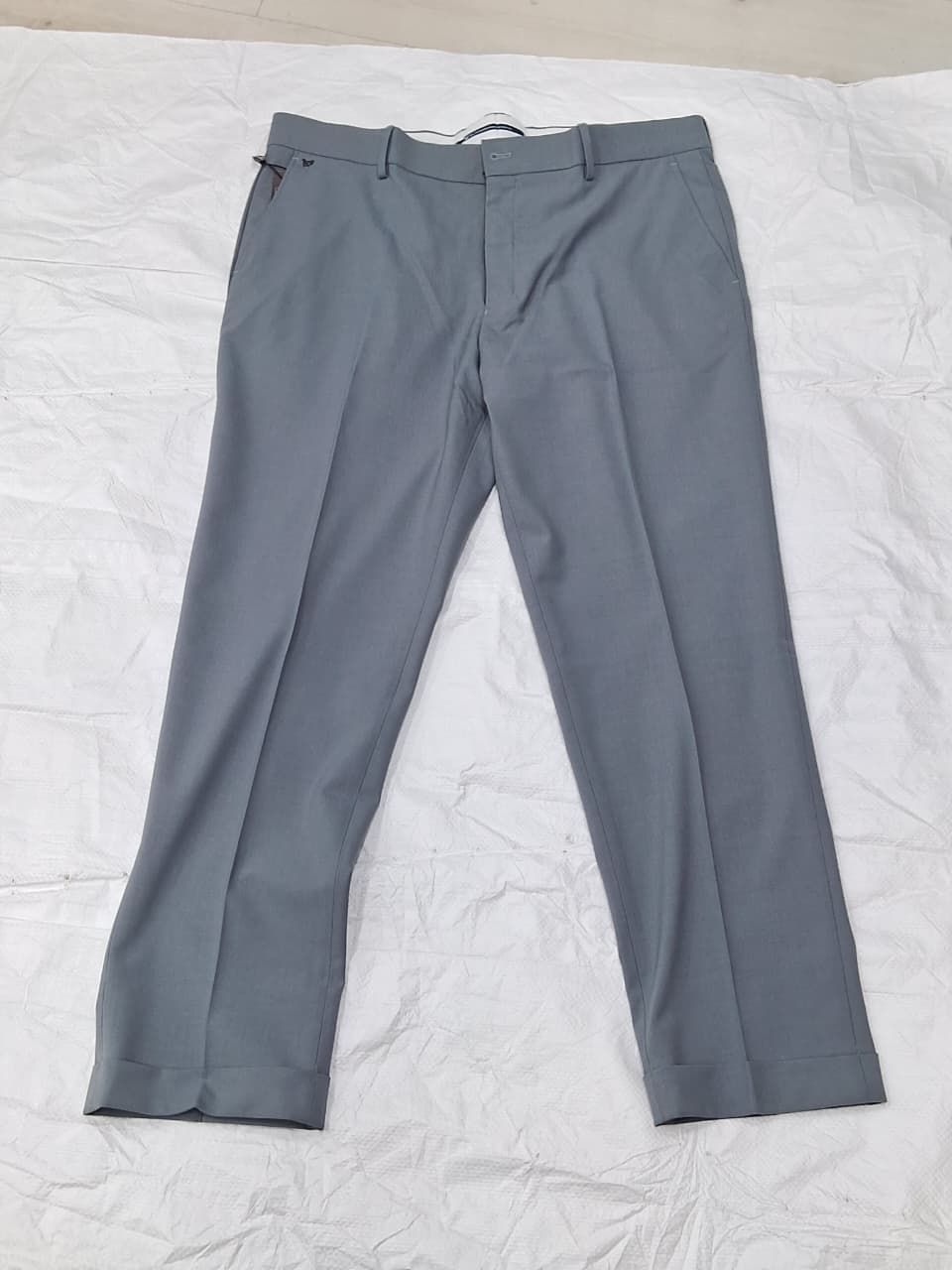
Fig. 01 The finished shape of a pattern. -
Cutting
The pattern is laid on cloth with the grainline running parallel to the selvedge. This alignment is crucial: if a leg is cut even slightly off-grain, it will twist as it is worn and the crease will wander. Patterned cloths such as checks and stripes must also be matched across seams.
Cutters work with shears or, in production, with cutting machines through many layers at once. Precision at this stage cannot be corrected later — a well-sewn trouser cut off-grain will never hang straight.
-
Waistband construction
The waistband gives a trouser its structure. It is usually interfaced or reinforced so it stays firm and does not roll, then attached to the trouser body and finished on the inside with a facing or curtain. Some waistbands are cut in two pieces with a seam at the centre back, which makes future adjustment easier.
Closures vary: a button, a hook-and-bar, or an extended tab. Belt loops are attached at intervals to hold a belt level without distorting the band.
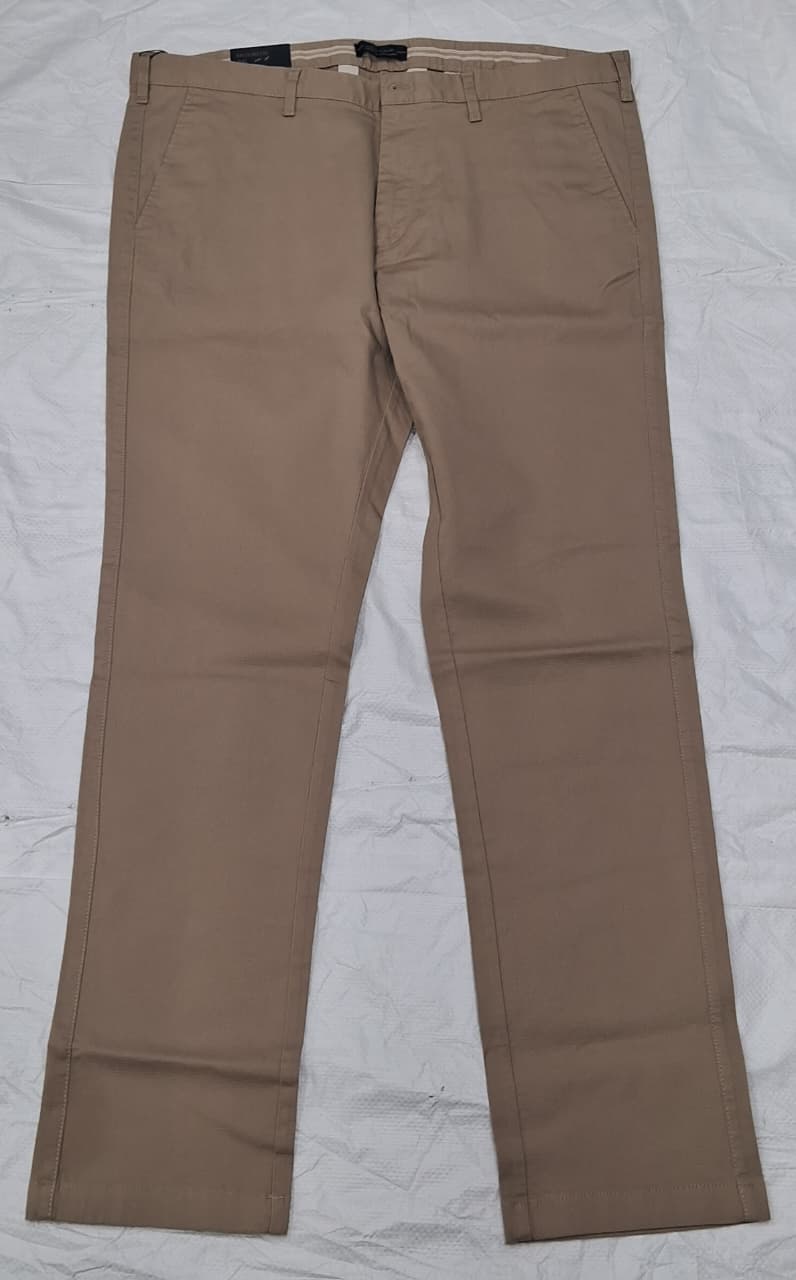
Fig. 02 Waistband and belt loops. -
Pocket construction
Side pockets on formal trousers are typically slanted or set vertically into the side seam. A well-made pocket is backed with a firm pocketing cloth, faced with the trouser fabric so the lining never shows, and reinforced at the ends with small bar tacks to prevent tearing.
Back pockets are usually jetted — a narrow, piped opening — often with a button. The test of good pocket construction is simple: when you stand, the pockets should lie closed and flat.
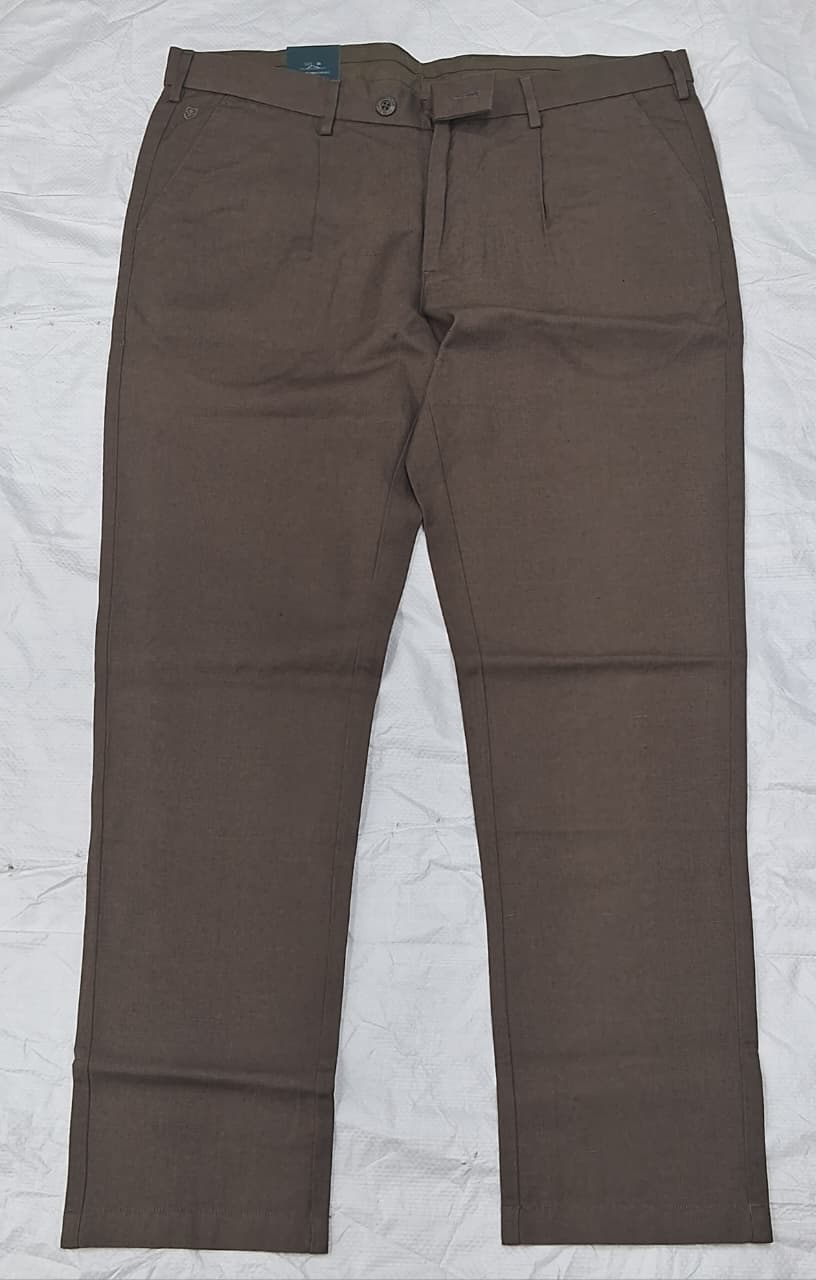
Fig. 03 Slanted side pocket. -
Pleats
Where a design calls for pleats, the tailor folds and stitches cloth into the waistband at the front. A single or double pleat releases extra room across the hip and thigh as the wearer sits or moves. Pleats must be aligned with the crease so the line continues unbroken down the leg — a detail that separates careful construction from careless.
Flat-front trousers omit the pleats and instead shape the front with darts or careful cutting.
-
Seams
The principal seams are the outseam (down the outside of each leg), the inseam (down the inside), the seat seam (running from the back waistband through the crotch) and the front rise. Seam allowances are finished — overlocked, bound or pressed open — so they do not fray.
Generous allowances at the back seam and inseam allow a trouser to be let out or taken in later, a hallmark of traditionally constructed garments.
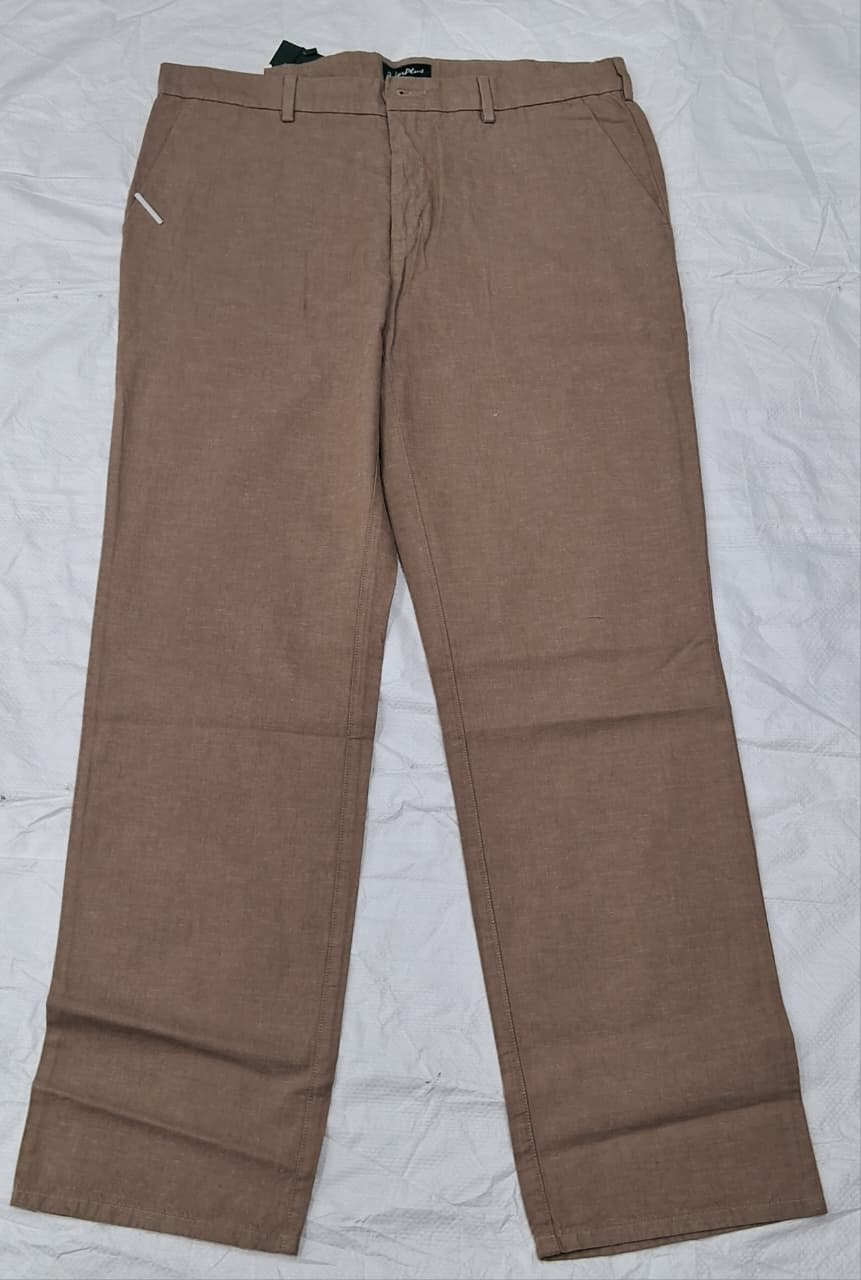
Fig. 04 The outseam line. -
Stitching
Stitching holds everything together and, in places, becomes visible design. The J-shaped stitch line on the fly, the topstitching along a waistband and the bar tacks at pocket corners all signal care. Stitches should be small, even and straight, with matching thread and no puckering.
On formal trousers, visible stitching is kept discreet. Finer garments may use hand-stitching in key places, such as the waistband curtain or the hem.
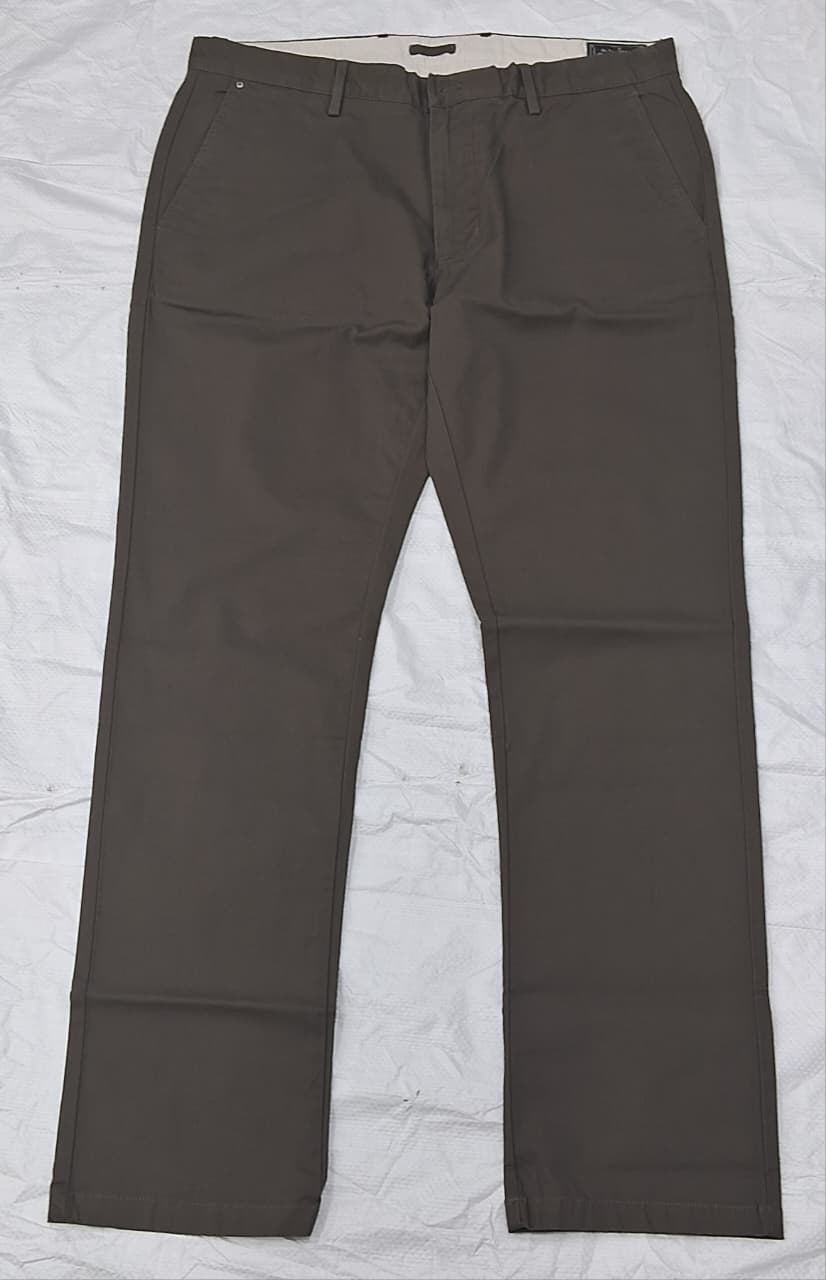
Fig. 05 Fly and topstitching. -
Trouser hems
The hem is turned up inside the leg and secured with a blind stitch that is nearly invisible from the outside. Some trousers are hemmed slightly longer at the back than at the front, so the hem rests cleanly on the heel while breaking gently over the shoe at the front.
Turn-ups (cuffs) are an alternative finish: a folded band at the bottom of the leg that adds weight and a traditional look, typically on straight and classic legs.
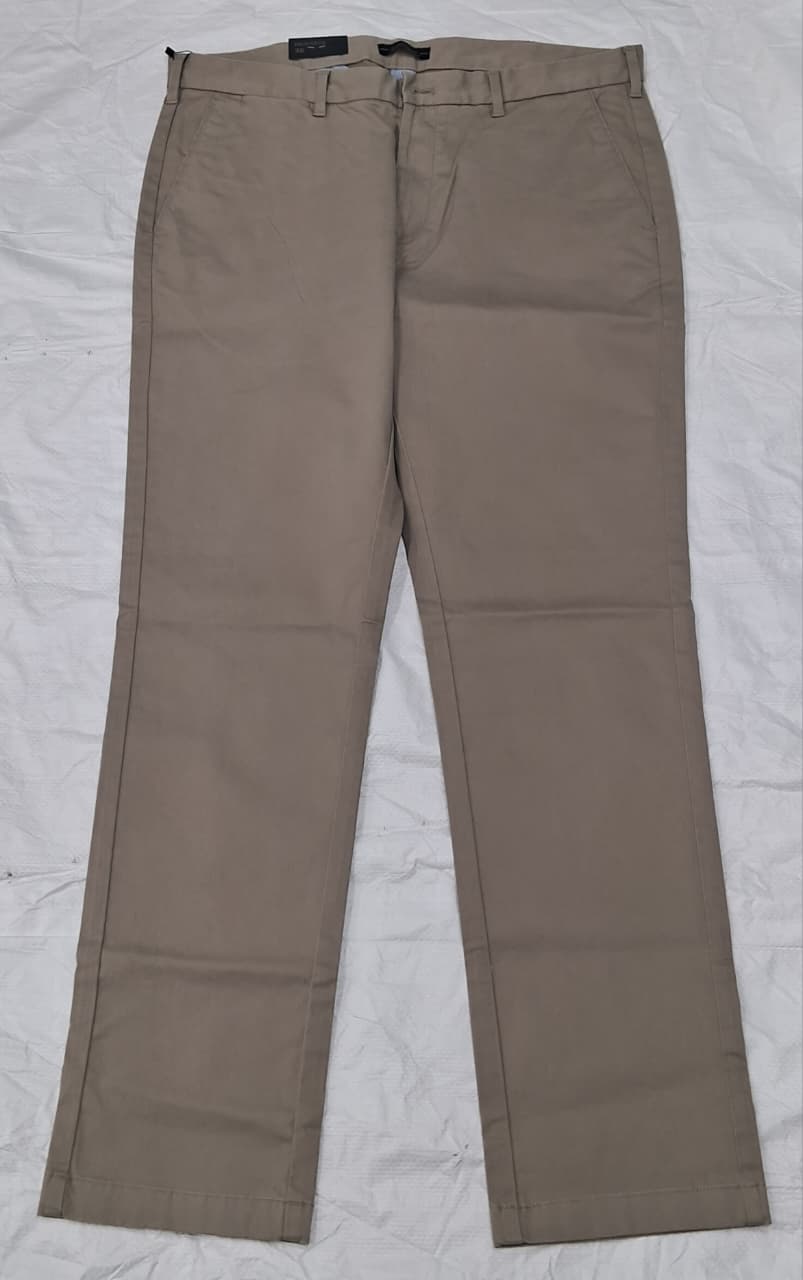
Fig. 06 A clean, level hem. -
Finishing
Finishing turns a sewn garment into a refined one. Threads are trimmed, buttons are secured, and the trouser is pressed — under steam and pressure — to set the creases and shape the cloth. A properly pressed crease runs from the waistband (or pleat) through the centre of the knee to the middle of the hem.
A final inspection checks symmetry, seam alignment, stitch quality and measurements against the specification.
-
Fit & proportion
All of these stages serve one purpose: proportion. Precise pattern-making defines the silhouette; on-grain cutting lets it hang straight; careful waistband, pocket and seam construction let it sit smoothly; a good hem completes the line at the shoe.
That is why two trousers in the same colour and size can look so different on the same man. The difference is precision — and it is visible in the finished line long before anyone notices a single stitch.
The Tailor’s Checklist
Seven signs of a well-made trouser.
- The crease runs trueA straight line from waist to the centre of the hem, with no twist.
- The waistband sits levelNo dipping at the back, no rolling at the front.
- Pockets lie closedSide pockets do not flare open when standing.
- Seams are flatNo puckering along the outseam, inseam or fly.
- Stitching is evenSmall, regular stitches with neat bar tacks at stress points.
- Checks and stripes matchPatterns align across seams on patterned cloths.
- The hem is invisibleA blind-stitched hem with no visible line on the outside.
From workroom to workplace
Precision you can wear to work.
Now see how well-constructed formal trousers perform in real professional settings.